



TimeFlow HK Logo TimeFlow HK Contact Us
Contact Us

Master Your Time in Hong Kong’s Fast-Paced World

Learn scheduling techniques, prioritization methods, and routines that actually work. From time blocking to task ranking — practical strategies for busy professionals.

Organized planner with color-coded schedule and notes on wooden desk
Person working at modern desk with digital calendar on laptop screen
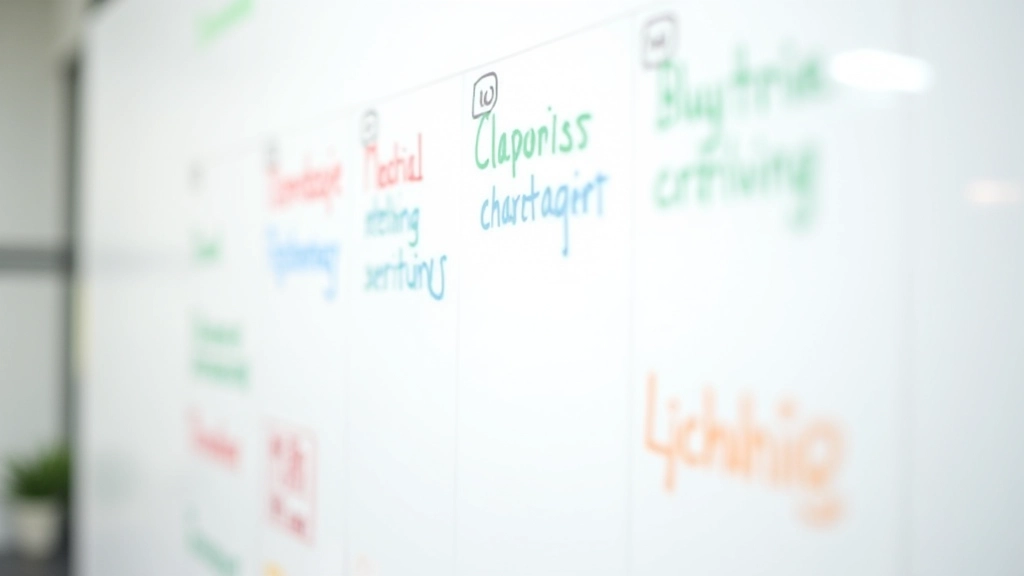
Weekly planning chart with task boxes and priority levels sketched on whiteboard
Essential Techniques

What You’ll Learn

Master the core scheduling methods that professionals in Hong Kong rely on.

Time blocking calendar view with color-blocked time slots and activities

Time Blocking Fundamentals

Break your day into focused blocks. Each block gets one task or activity. No multitasking. We show you how to actually do it.

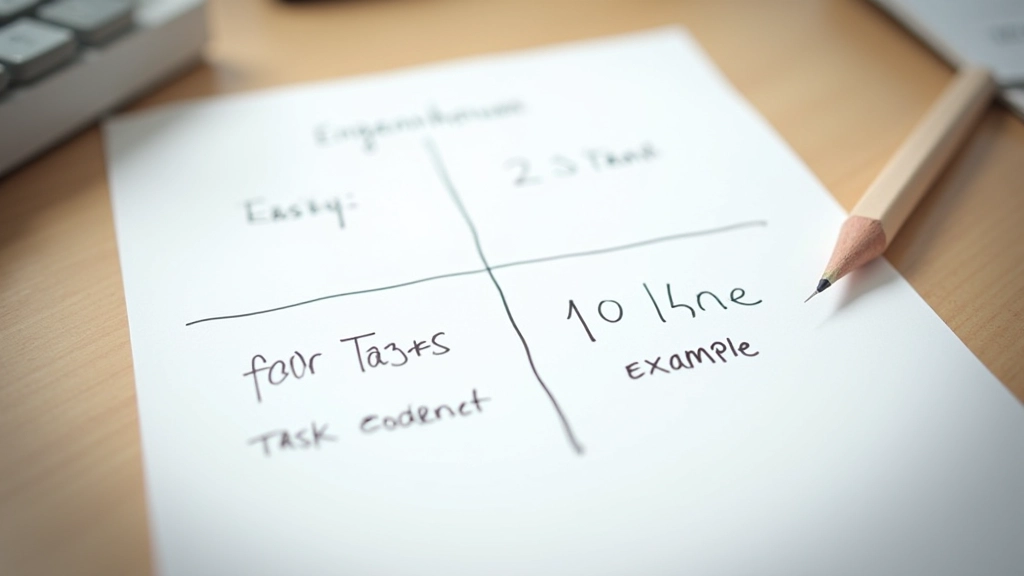
Task prioritization matrix with urgent-important quadrants and task examples

Task Ranking Methods

Learn the Eisenhower Matrix and other ranking systems. Figure out what’s actually important versus just loud and demanding.

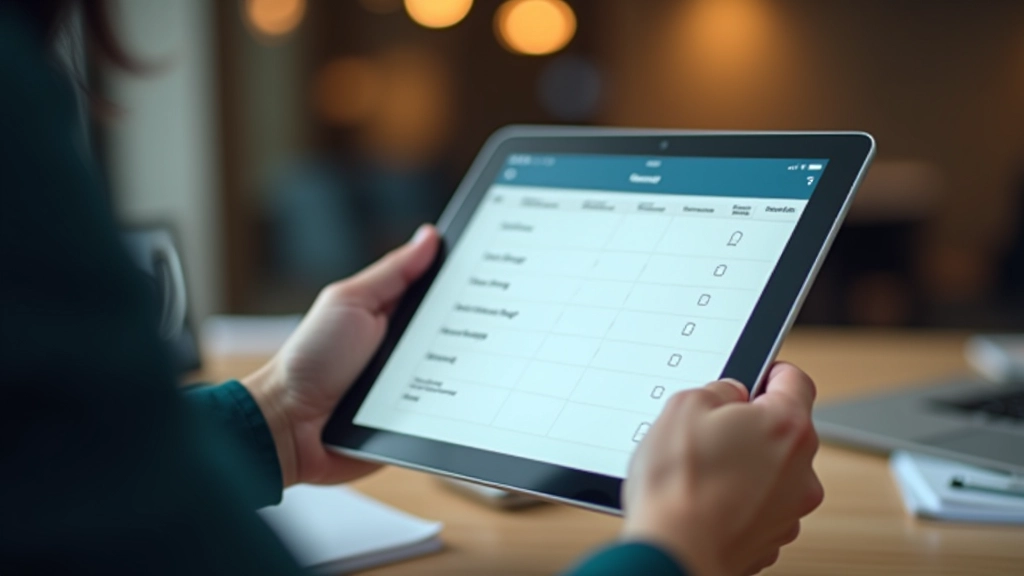
Digital planner app interface on tablet showing to-do lists and schedules

To-Do List Strategies

Digital or paper — doesn’t matter. What matters is building lists you’ll actually follow. We cover both approaches.

The Scheduling Pillars

Four principles that make scheduling work in a busy SAR.

Time Awareness

Know where your time actually goes. Track it. Then improve it.

Clear Priorities

Not everything is urgent. Learn to separate real priorities from noise.

Consistent Action

Routines matter more than perfect systems. Build habits that stick.

Regular Review

Weekly reviews catch problems early. Adjust your system as you learn.

The Difference Structure Makes

Without Scheduling

  • Reactive work — responding to whatever’s loudest
  • Constant task-switching and mental overload
  • Important projects get pushed back indefinitely
  • End of day: exhausted but nothing significant done

With Time Blocking

  • Intentional work — you control your calendar
  • Deep focus on one task during each block
  • Important work gets dedicated time and gets done
  • End of day: real progress on things that matter

Ready to Take Control of Your Time?

Start with one technique. See what works for you. Build from there.

Why Scheduling Works in Hong Kong

In a fast-paced SAR, structure isn’t limiting — it’s liberating.

Mental Clarity

Know what you’re doing and why. Less anxiety. Better decisions.

Energy Efficiency

Work in focused blocks. Rest properly. Finish your day actually done.

Goal Progress

Important projects get actual time. You’ll see real results.

Work-Life Balance

End your workday on time. Protect your evenings and weekends.

Better Collaboration

Clear schedules mean better meetings and realistic commitments.

Continuous Improvement

Regular reviews help you optimize. You’ll get better over time.

Featured Learning Resources

Start with these guides. They cover the fundamentals you need.

Ranking Tasks That Actually Matter

Learn the Eisenhower Matrix and other ranking systems. Discover why your urgent task list might be sabotaging your real priorities. We show you how to identify what’s truly important versus what just feels urgent.

Read Full Guide

Common Questions

Quick answers to help you get started.

01

Do I have to use digital tools or can I use paper?

Both work. Digital tools (Google Calendar, Outlook, Notion) are great if you’re at your computer. Paper works better if you prefer writing and a physical calendar. The key is using something consistently. Try both and stick with what you’ll actually use.

02

How long do time blocks need to be?

It depends on your work. Deep focus tasks might need 90 minutes. Administrative work might be 30 minutes. Start with 60-90 minute blocks and adjust based on what you’re doing. You’ll find your natural rhythm after a few weeks.

03

What if my schedule keeps getting interrupted?

That’s real. Build in buffer time between blocks. Schedule “open time” for unexpected items. Communicate your blocks to colleagues so they know when you’re available. Some interruptions you can’t avoid, but you can control how many.

04

How do I handle meetings in my schedule?

Block them like any other task. This makes it easier to see how much actual work time you have left. If meetings are eating your day, that’s a real problem you can now see clearly and address.

05

When should I do my weekly review?

Friday afternoon or Sunday evening work well. Pick a time when you’re not rushed. Spend 30 minutes looking at what happened, what worked, what didn’t. This is where you improve your system based on real experience.

06

Can this approach work if my job is unpredictable?

Yes, but differently. Use flexible blocks. Schedule “deep work” in protected windows, but leave room for urgent items. The structure helps you handle chaos better because you know what your priorities actually are.

Trusted by professionals across Hong Kong and the SAR

Corporate Teams
Students & Educators
Freelancers
Project Managers